30W Split Solar Street Light for Coastal Roads in Bangladesh
2026-09-21
6
Southeast Asia
Coastal and rural roads often face lighting challenges caused by limited grid coverage, unstable electricity supply and difficult cable installation conditions.
For this project in Lalmohan Municipality, Bhola, Bangladesh, Inbrit supplied 160 standalone solar street lights to illuminate nearly five kilometers of local roads.
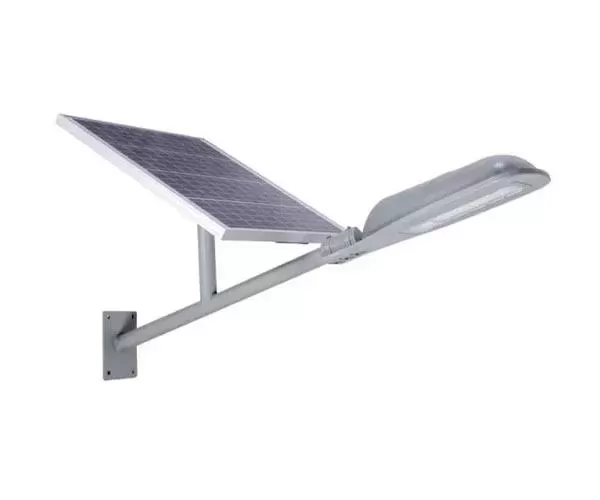
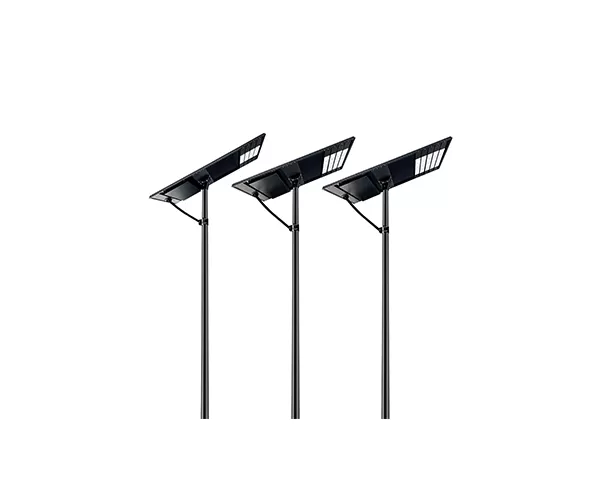
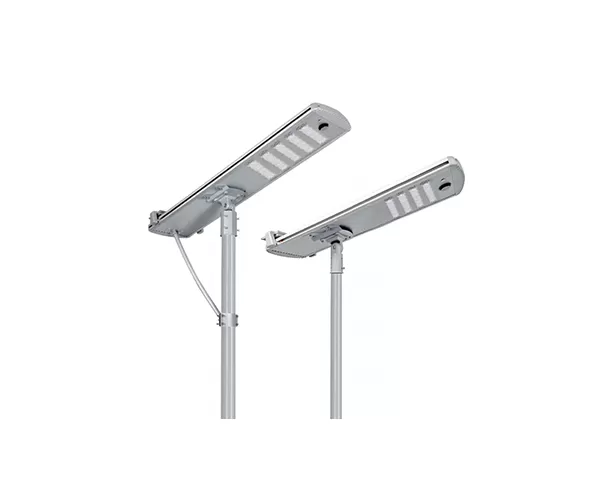
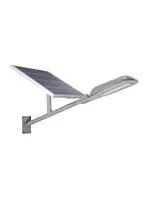
Each system uses a 30W LED lamp, a 135W solar panel, a 12.8V/48Ah battery and an 8-meter light pole. The completed project improves nighttime visibility for residents while demonstrating Inbrit’s experience in configuring and delivering off-grid road lighting solutions for coastal communities.
Project Configuration at a Glance
Item
Project Specification
Project location
Lalmohan Municipality, Bhola, Bangladesh
Project quantity
160 sets
Road coverage
Nearly 5 km
LED lamp power
30W
Solar panel
135W
Battery
12.8V / 48Ah
Pole height
8 meters
System type
Standalone split solar street light
Application
Coastal and rural road lighting
Why Was Solar Street Lighting Selected for This Project?
The project roads pass through residential areas, farmland, trees and waterways. Before the installation, many sections became difficult to use safely after sunset.
Extending conventional grid-powered lighting to these roads would require cable laying, utility connections and additional civil work. Grid instability could also interrupt nighttime lighting during local power outages.
Standalone solar street lights provide an alternative because every lighting unit generates and stores its own energy. No continuous connection to the electrical grid is required.
During the day, the solar panel charges the battery. After sunset, the controller automatically switches on the LED lamp to provide road illumination.
This configuration helps address several local challenges:
Limited electrical infrastructure
Unstable grid power
Insufficient nighttime road visibility
Difficult cable installation conditions
Frequent rain and cloudy weather
Coastal humidity and saline conditions
The need to limit long-term electricity costs
160 Standalone Solar Street Lights Across Nearly 5 km
A total of 160 solar street lights were installed along nearly five kilometers of roads in Lalmohan.
The 8-meter poles position the light above roadside vegetation and surrounding buildings, while the 30W LED luminaires provide illumination suitable for local rural roads.
Each unit operates independently. If the local electrical grid experiences an outage, the solar street lights can continue operating using energy stored in their batteries.
This independent configuration also avoids the need to connect all lighting points through a centralized underground or overhead electrical network.
Project Configuration for Local Conditions
Solar street lighting systems should not be selected according to LED wattage alone. The solar panel, battery, operating schedule and local solar conditions must be considered together.
For this project, the system was configured with:
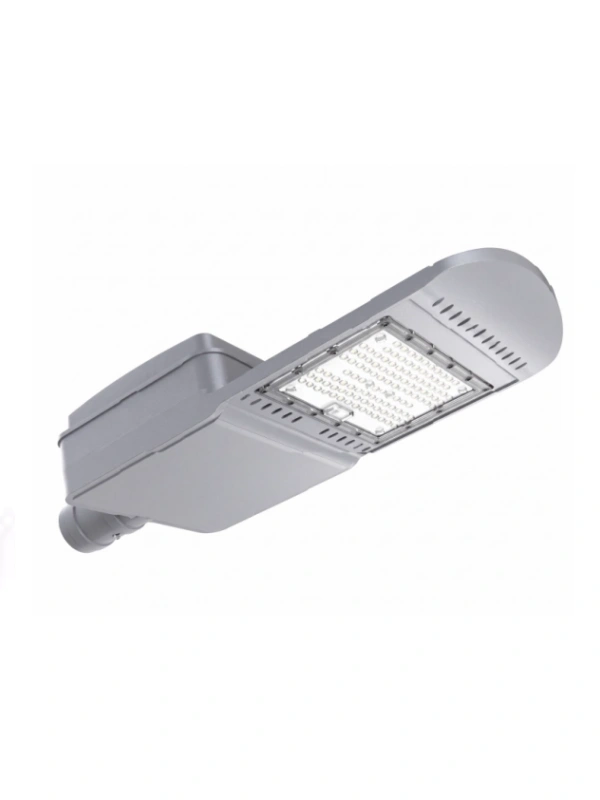
A 30W LED street light
A 135W solar panel
A 12.8V/48Ah battery
An 8-meter light pole
The solar panel and battery were selected to support the required nighttime lighting schedule under the project’s local operating conditions.
The separate arrangement of the LED fixture, solar panel and battery also allows the main components to be selected according to the road, installation height and expected energy demand.
Improving Safety for the Local Community
The project provides more than road illumination. It improves the nighttime usability of roads connecting homes, schools and other parts of the community.
In the project video, local residents and students explain that the roads were previously difficult to use after dark. Rain and uneven road conditions created additional risks, particularly for women, children and students.
Following the installation of the solar street lights, residents can travel along the roads with improved visibility and greater confidence after sunset.
Feedback recorded from residents and municipal representatives also highlights the value of lighting that continues to operate independently during local power interruptions.
Solar Street Lighting for Coastal and Rural Roads
This Bangladesh project shows how standalone solar street lights can be applied to roads where grid extension is difficult, expensive or unreliable.
Similar systems may be considered for:
Rural community roads
Coastal roads
Village access roads
Remote residential areas
Roads near farmland and waterways
Island communities
Areas with unstable electricity supplies
Roads where trenching and cable installation are impractical
However, each project requires a separate technical evaluation. Solar radiation, rainy-day requirements, road width, pole spacing, operating hours and required illumination levels all affect the final system configuration.
What Information Is Needed for a Solar Road Lighting Project?
If you are planning a municipal, rural or coastal solar street lighting project, prepare as much of the following information as possible:
Project location
Road length and width
Required illumination level
Preferred pole height
Number of lighting points
Daily operating hours
Local rainy or cloudy season
Required backup time
Site layout or road drawings
Wind and environmental conditions
Applicable local lighting standards
These details allow Inbrit’s engineering team to evaluate the required lamp power, solar panel capacity, battery capacity, pole height and lighting arrangement.
Frequently Asked Questions
Where was this solar street lighting project completed?
The project was completed in Lalmohan Municipality, Bhola, Bangladesh.
How many solar street lights were supplied?
Inbrit supplied 160 standalone solar street lights for the project.
What configuration was used?
Each system uses a 30W LED lamp, a 135W solar panel, a 12.8V/48Ah battery and an 8-meter light pole.
How much road does the project cover?
The installed solar street lights illuminate nearly five kilometers of local coastal and rural roads.
Do the lights depend on the local electricity grid?
No. Each solar street light generates and stores its own energy, allowing it to operate independently from the local grid.
Can the same configuration be used for every road project?
Not necessarily. The required configuration depends on the project location, road dimensions, solar radiation, operating schedule, rainy-day requirements and target illumination level.
Planning a Coastal or Rural Solar Street Lighting Project?
Every road lighting project has different environmental conditions and performance requirements.
If you are planning an off-grid solar street lighting project, send Inbrit your road dimensions, project location, operating schedule and required lighting level. Our team can help evaluate a suitable system configuration.
We use cookies to offer you a better browsing experience, analyze site traffic and personalize content. Part of the tracking is necessary to ensure SEO effectiveness, By using this site, you agree to our use of cookies.
Visit our cookie policy to learn more.





 English
 français
 Español
 العربية
 Pilipino
 ไทย
ไทย tiếng việt
 Malay
Malay русский