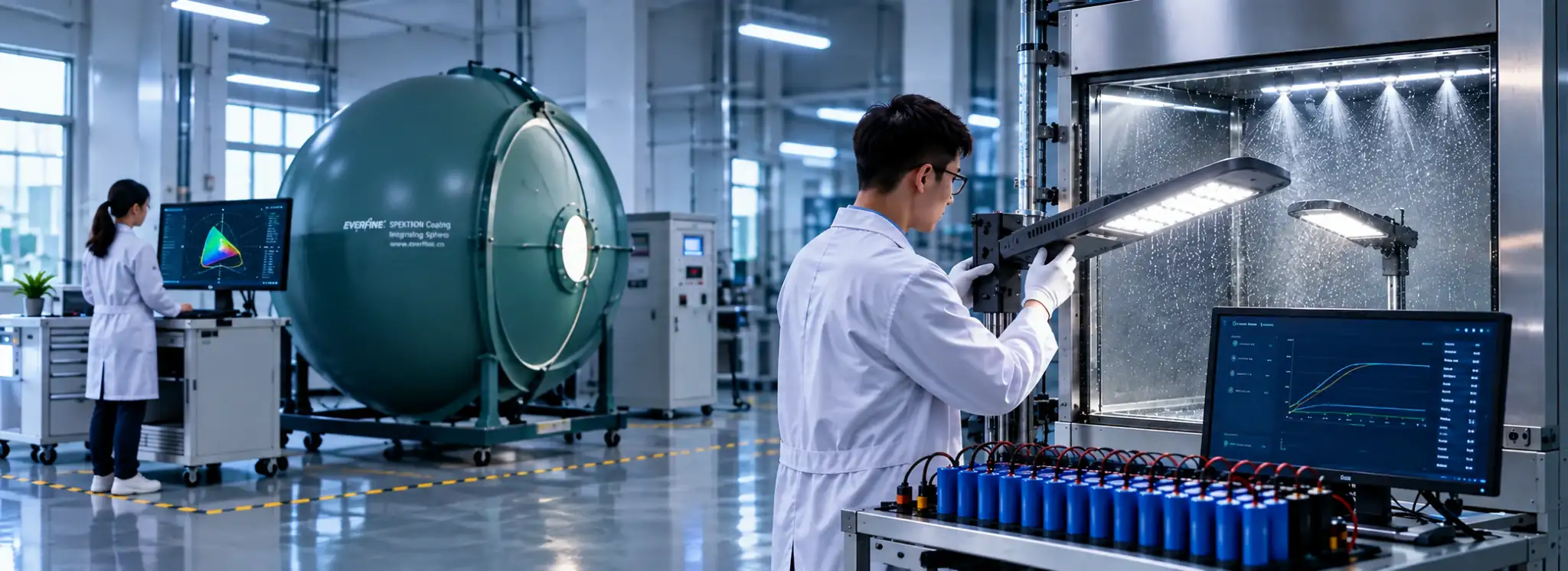
Inbrit’s quality control system is designed to evaluate the key components and functions of solar street lighting products before they are delivered to customers.
A solar street light is not a single component. It is a complete system consisting of the solar panel, battery, controller, LED luminaire, housing and structural components. A problem in any one of these areas can affect the overall performance of the lighting system.
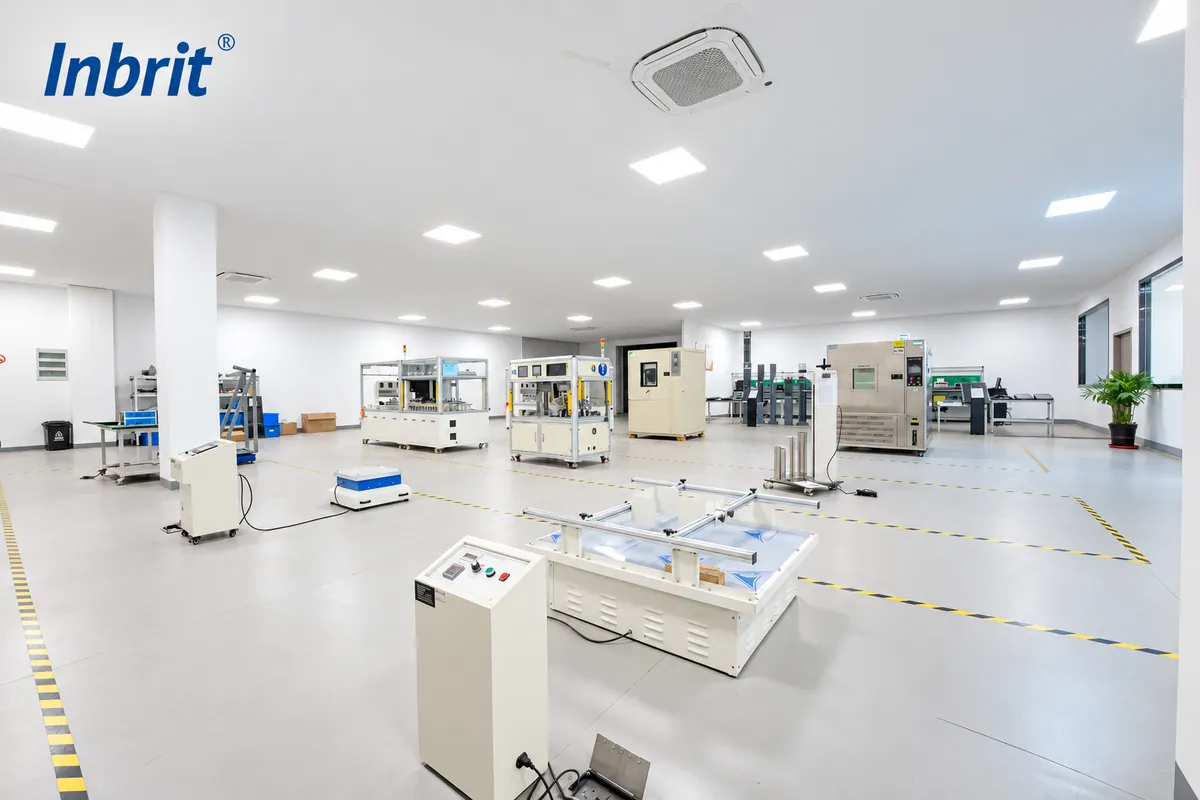
For this reason, Inbrit combines laboratory testing with process inspection to evaluate battery behavior, optical performance, waterproof protection, corrosion resistance and finished-product quality.
The objective is to identify and correct potential issues before products are shipped to the project site.
Battery Testing and Performance Monitoring
The battery is one of the most critical components in a solar street lighting system because it stores the energy generated during the day and supplies power to the LED luminaire at night.
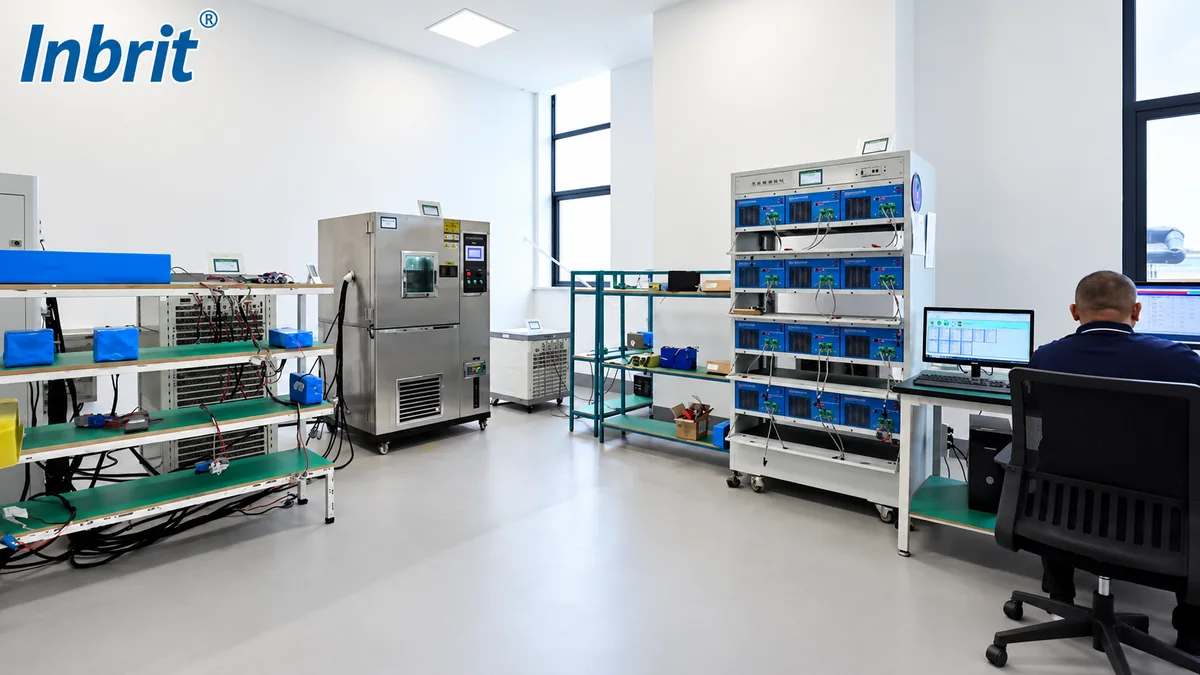
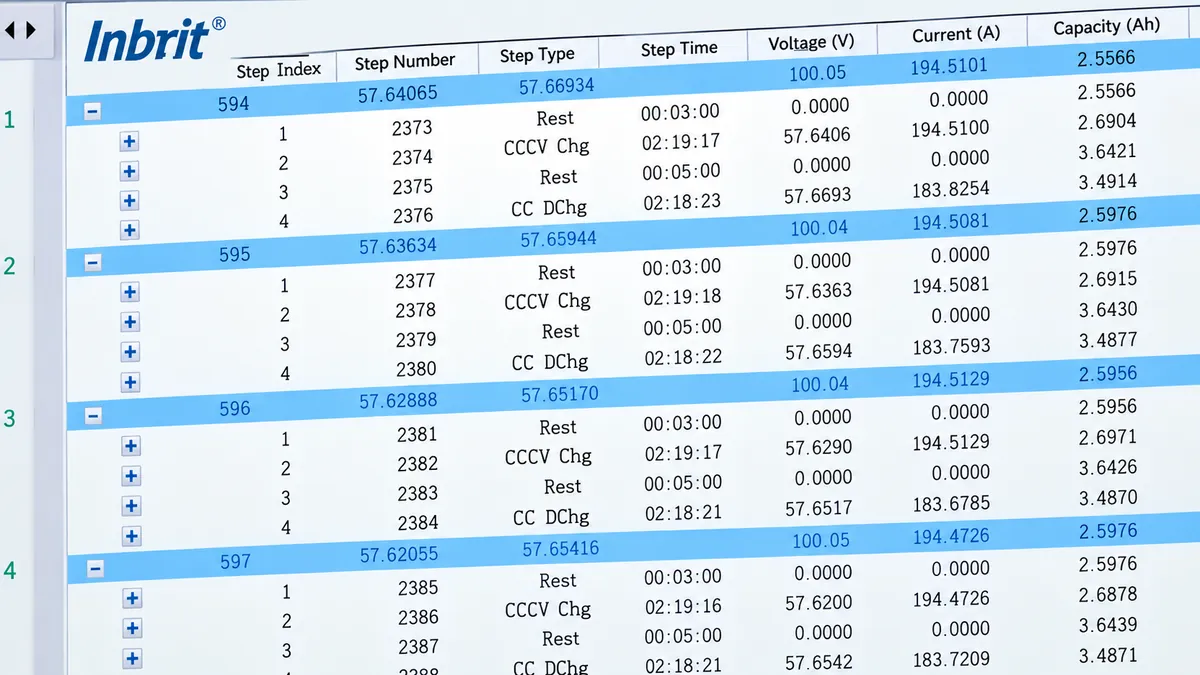
Inside Inbrit’s quality control lab, battery cells and battery packs are tested using dedicated battery testing equipment.
The testing process includes:
Charge and discharge cycle testing
Battery capacity monitoring
Cycle-performance recording
Voltage and operating-data monitoring
High-temperature testing
Low-temperature testing
Individual battery-cell testing
Complete battery-pack testing
These tests allow technicians to review how batteries behave under controlled operating conditions and identify abnormal performance before the battery is used in a finished solar street light.
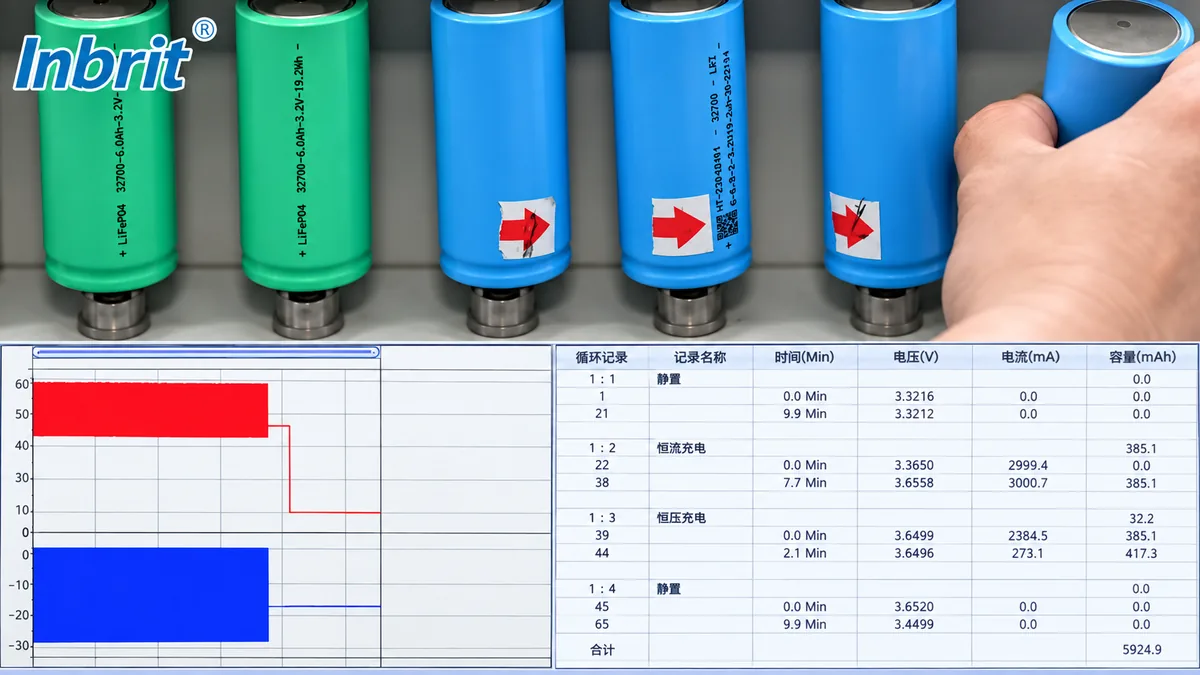
Charge and Discharge Cycle Testing
Solar street light batteries operate through repeated charging during daylight hours and discharging during night-time operation.
Inbrit’s battery testing system records data throughout charge and discharge cycles so technicians can review battery capacity, voltage changes, operating time and cycle behavior.
This provides measurable information for quality evaluation rather than relying only on nominal battery specifications.
For project buyers, this type of testing is especially important because battery stability directly affects night-time operating performance and energy availability.
High- and Low-Temperature Battery Testing
Solar street lights are installed in different climates, so battery performance may need to be evaluated under different environmental temperatures.
Inbrit’s laboratory testing includes both high- and low-temperature battery testing for individual cells and complete battery packs.
These controlled tests help technicians evaluate battery behavior under different temperature conditions before the battery is used in a project.
The exact applicable temperature range should still follow the product specification and test documentation for the corresponding battery system.
Optical Testing for LED Luminaires
Solar street light quality control also includes optical performance testing.
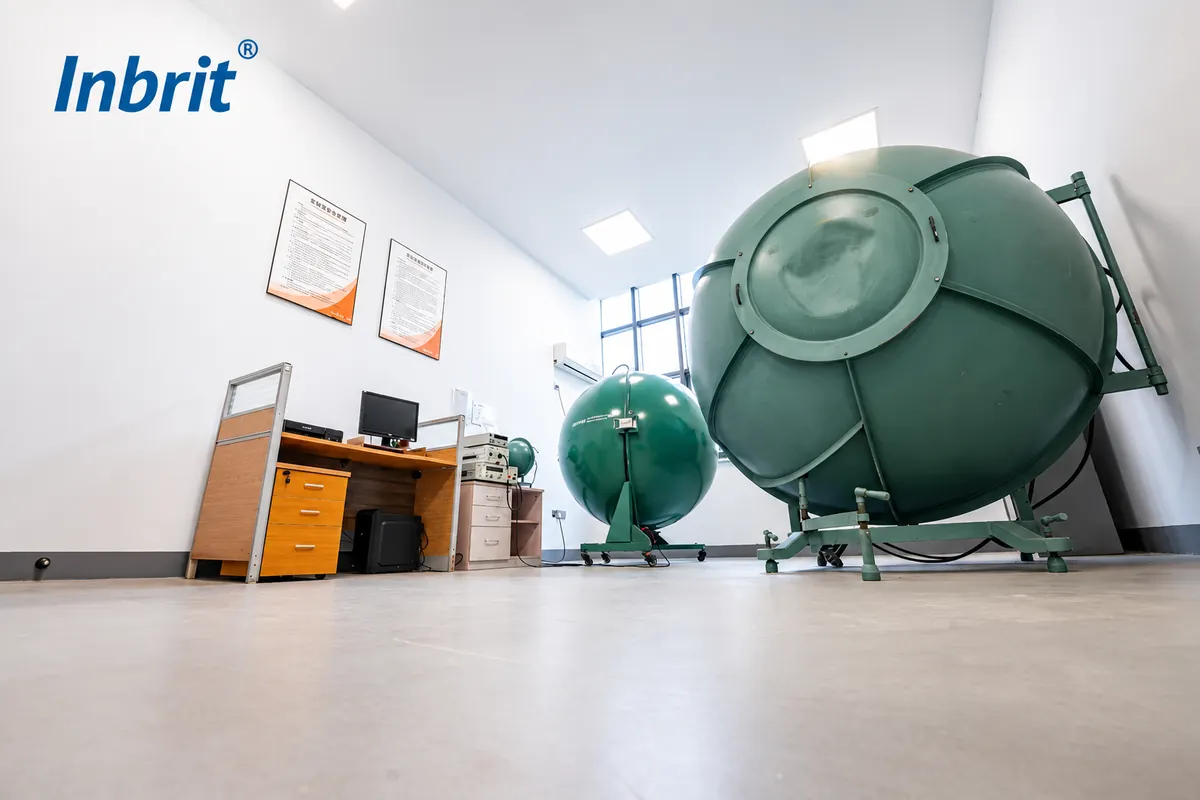
Inbrit’s laboratory capabilities include:
Integrating Sphere
GO-2000 Photometer
These instruments are used to evaluate the optical performance of LED luminaires and their light distribution.
Optical testing helps verify that the lighting product performs according to the applicable product or project requirements.
For roadway and outdoor lighting applications, this is important because nominal wattage alone does not determine actual lighting performance.
Learn more about Inbrit’s smart solar street light technology.
Waterproof Testing
Outdoor solar street lights are continuously exposed to rain, humidity and changing environmental conditions.
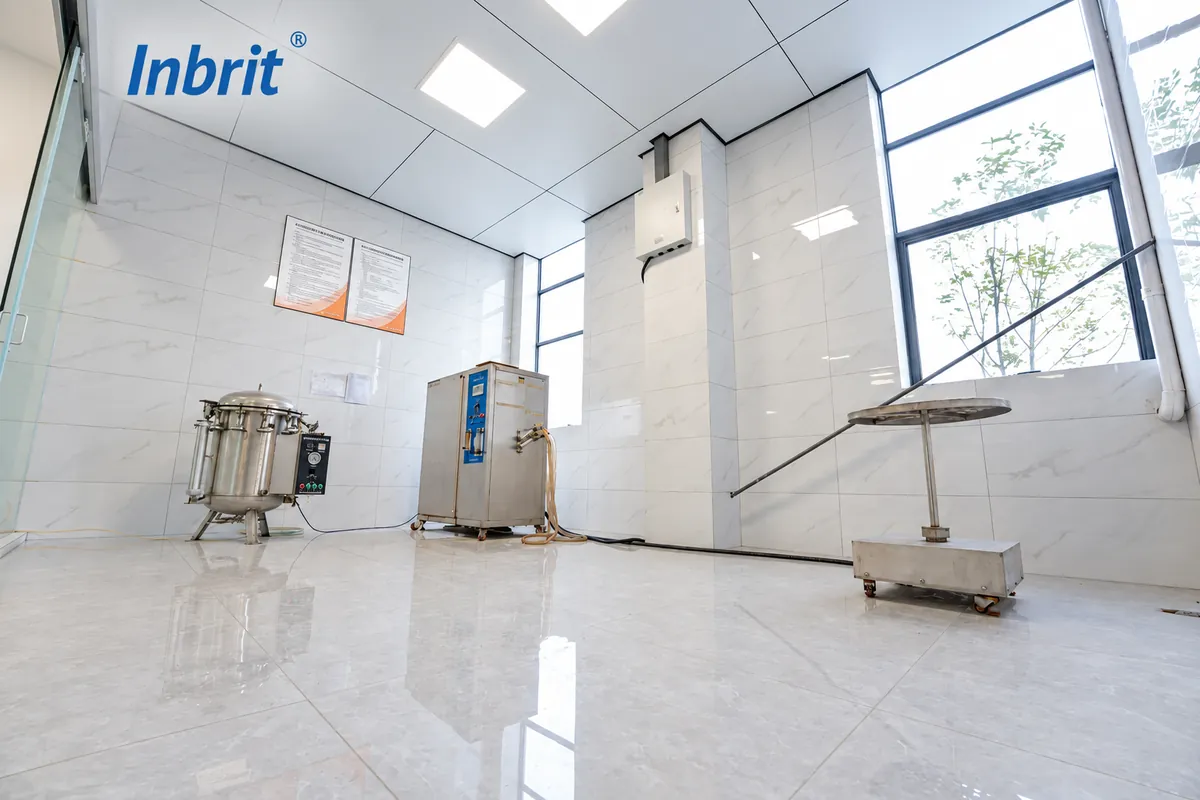
Inbrit’s quality control capabilities include:
IPX5 water spray testing
IPX6 water spray testing
IPX7 immersion testing
IPX8 immersion testing
These tests are used to evaluate product resistance to water exposure under different test conditions.
Waterproof testing can help identify sealing or water-ingress issues before products are installed outdoors.
Salt Spray Testing for Corrosion Resistance
For lighting projects in coastal, humid or industrial environments, corrosion resistance can be an important consideration.
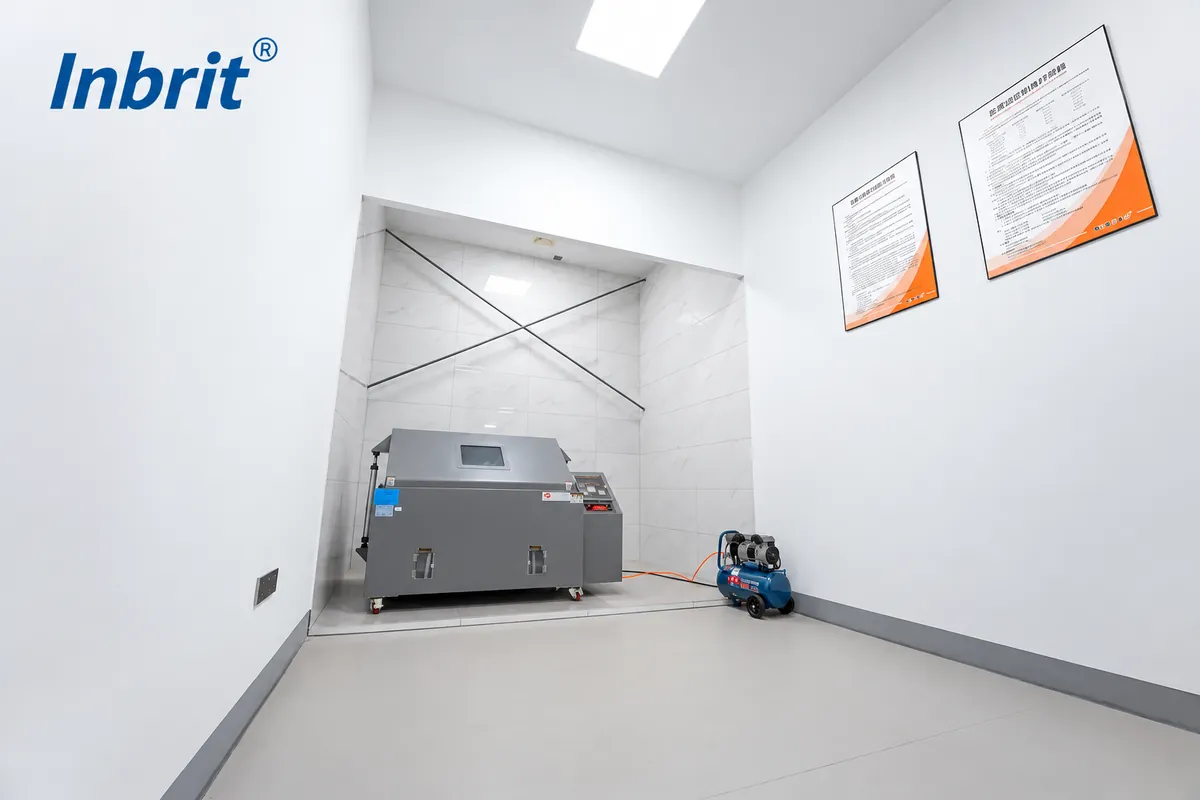
Inbrit’s QC laboratory includes FR-1203 salt spray testing to evaluate the corrosion resistance of applicable metal components and protective surfaces.
This type of testing can be particularly relevant for:
By evaluating applicable materials and surface treatments under controlled corrosive conditions, potential durability issues can be identified before delivery.
Process Inspection and Defect Prevention
Quality control does not rely only on laboratory instruments.
Inspection is also carried out during production and before shipment to identify visible or functional issues.
Inspection may include checks for:
Abnormal battery performance
Welding defects
Water ingress
Wiring problems
Assembly defects
Surface or coating issues
Optical inconsistencies
Loose or incorrectly installed components
The objective is to detect and correct potential problems before the product leaves the factory.
Solar Street Light Quality Control at a Glance
| Quality Control Area | Testing / Inspection |
| Battery | Charge-discharge cycling, capacity and operating-data monitoring |
| Temperature | High- and low-temperature battery testing |
| LED Luminaire | Integrating sphere and GO-2000 optical testing |
| Waterproofing | IPX5/IPX6 spray and IPX7/IPX8 immersion testing |
| Corrosion | FR-1203 salt spray testing |
| Production | Wiring, welding, sealing and assembly inspection |
| Pre-Shipment | Finished-product inspection before dispatch |
Why Quality Control Matters for Solar Lighting Projects
For B2B buyers, solar street light quality cannot be evaluated only by LED wattage, solar panel size or battery capacity.
A complete solar street lighting system depends on the interaction of multiple components:
Solar Panel → Battery → Controller → LED Luminaire → Housing → Light Pole
If one component does not perform correctly, it can affect the entire system.
By combining battery testing, optical measurement, environmental testing and production inspection, Inbrit provides an additional layer of technical verification before products are delivered to customers.
This is particularly relevant for distributors, contractors, EPC companies, municipalities and infrastructure buyers who need consistent product quality across multiple lighting points.
Quality Control for Different Project Environments
Different project environments may require different quality considerations.
Cold or Hot Regions
Battery temperature testing can help evaluate battery behavior under more demanding climatic conditions.
Coastal Areas
Salt spray testing can help assess corrosion resistance for applicable metal components and surface finishes.
Rainy or Humid Environments
Waterproof testing helps evaluate product sealing and water-ingress resistance.
Road and Infrastructure Projects
Optical testing helps verify the lighting performance of LED luminaires before installation.
Frequently Asked Questions About Inbrit’s Quality Control Lab
1. What battery tests does Inbrit perform?
Inbrit’s laboratory testing includes charge-discharge cycling, capacity monitoring, cycle-performance recording and high- and low-temperature testing for battery cells and battery packs.
2. What optical testing equipment does Inbrit use?
Inbrit’s QC capabilities include integrating spheres and GO-2000 photometers for LED optical-performance and light-distribution testing.
3. Does Inbrit perform waterproof testing?
Yes. Inbrit’s testing capabilities include IPX5/IPX6 water spray testing and IPX7/IPX8 immersion testing.
4. Does Inbrit perform salt spray testing?
Yes. Inbrit uses FR-1203 salt spray testing to evaluate corrosion resistance for applicable metal parts and protective surfaces.
5. Are products inspected before shipment?
Yes. The quality-control process includes inspection intended to identify potential battery, wiring, welding, sealing, assembly and finished-product issues before dispatch.
Need Quality Information for Your Solar Lighting Project?
Different solar street light projects may require different battery, waterproof, corrosion and optical-performance specifications.
If your project has specific environmental or technical requirements, contact Inbrit to discuss the applicable solar street lighting configuration and available quality-control information.
Discuss Your Quality Requirements
View Our Certifications
Download Our Catalogue

 English
 français
 Español
 العربية
 Pilipino
 ไทย
ไทย tiếng việt
 Malay
Malay русский