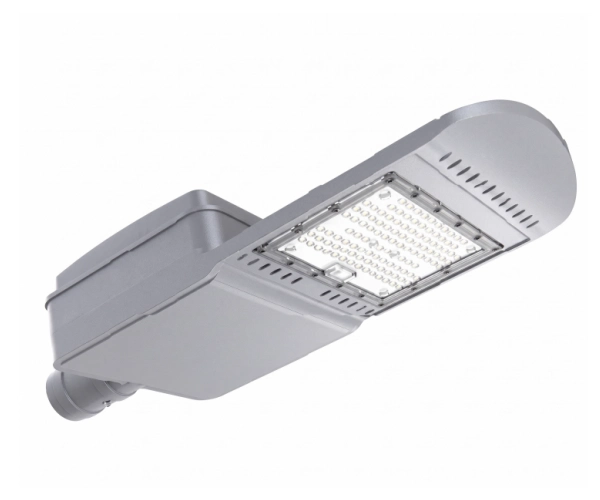
80W Split Solar Street Light Retrofit Project in Malaysia
2026-09-21
15
Southeast Asia
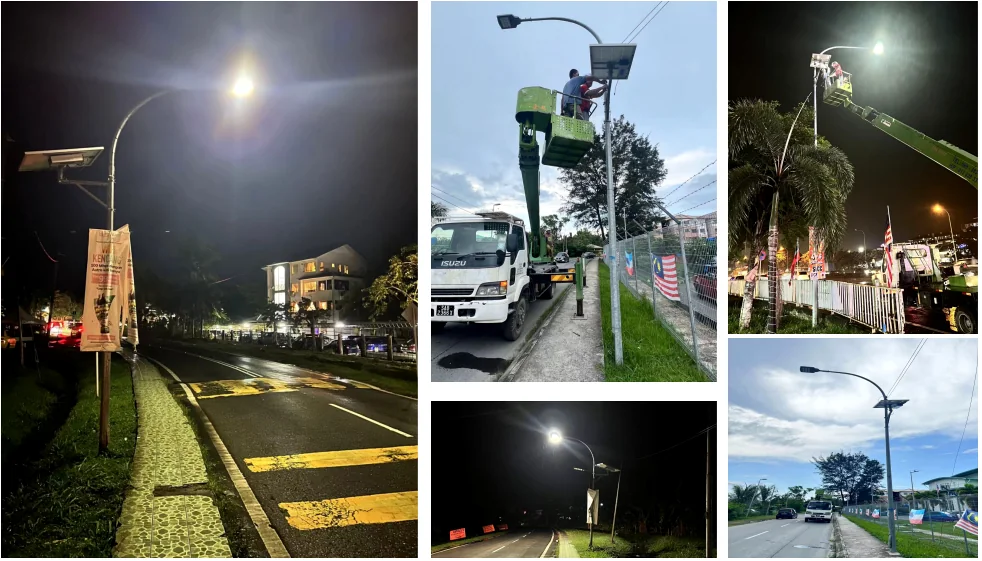
Inbrit recently completed a split solar street light retrofit project in Malaysia, upgrading existing road lighting with 80W solar street lights installed on 10-meter poles. The entire installation process was documented on site, from system installation to the final night-time lighting effect.
The installation video shows Inbrit’s team working on existing road-lighting poles in Malaysia and replacing the previous sodium-lighting system with a solar-powered configuration.
Rather than rebuilding the entire lighting infrastructure, the retrofit focuses on adding the required solar components to the existing pole system.
The process includes:
Installing the solar panel
Connecting the integrated lithium battery and controller
Connecting the LED road luminaire
Checking the system before final installation
Testing the lighting effect after installation
This approach can be considered for suitable road-upgrade projects where existing poles remain usable.
Split Solar Street Light Configuration
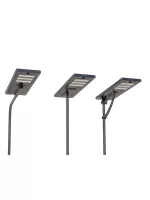
A split solar street light separates the main solar components, allowing the solar panel to be positioned independently from the LED luminaire.
In this Malaysia project, the configuration includes:
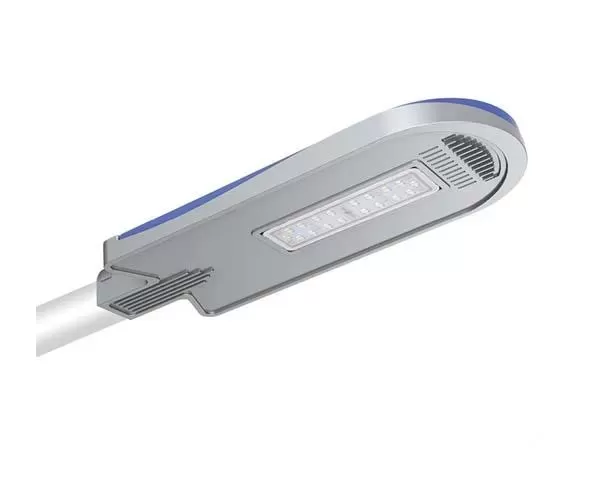
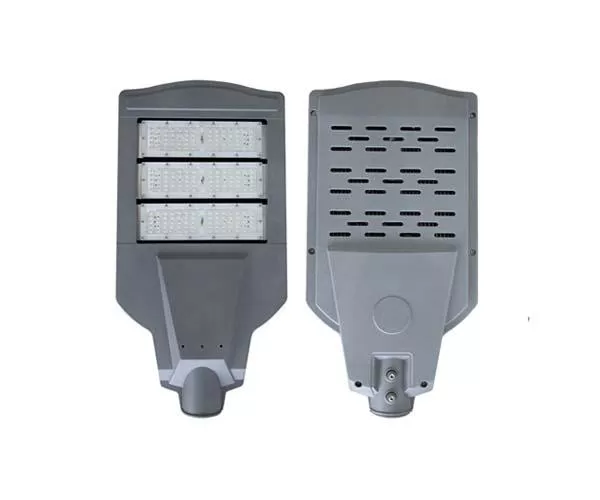
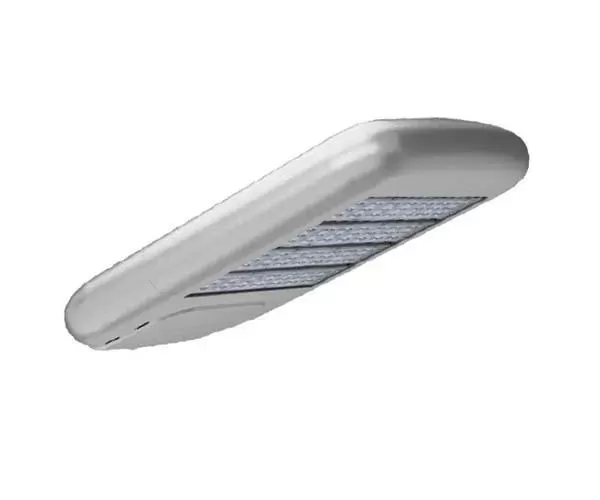
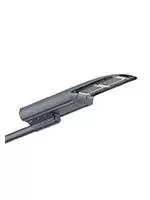
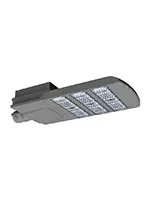
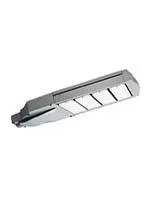
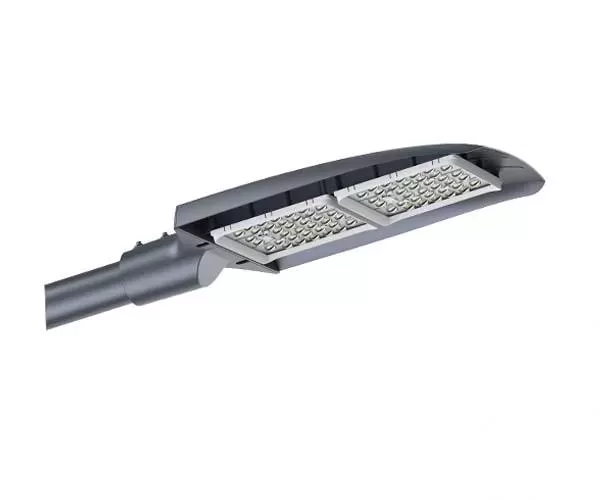
80W LED road luminaire
Solar panel
Integrated lithium battery and controller
Existing 10m road-lighting pole
Mounting brackets and electrical connections
The separate solar panel provides more flexibility for orientation and sunlight collection compared with a fully integrated design.
Installation and System Testing
The video also shows the solar panel, battery/controller and luminaire being connected and tested before the system is fully installed.
This is an important step in retrofit work because installers can confirm the basic electrical and light-control functions before completing the installation at height.
After the components are installed on the light pole, the lighting system can operate independently using solar energy.
The completed project photos show the upgraded solar street lights operating along the Malaysian roadway at night.
The 80W luminaires are installed on 10-meter light poles along the road, providing illumination for the carriageway and surrounding roadside areas.
For actual roadway projects, the final lighting configuration should always consider:
Road width
Pole height
Pole spacing
Luminaire power
Optical distribution
Required lighting level
Local solar conditions
Why Use Split Solar Street Lights for Road Retrofits?
For suitable existing-road projects, split solar street lights can provide several practical advantages:
Reduced dependence on grid electricity
Independent solar power generation
Flexible solar-panel positioning
Compatibility with suitable existing poles
Easier component replacement and maintenance
Suitable for roadway retrofit applications
The existing pole condition and structural suitability should be evaluated before retrofit installation.
A Practical Retrofit Solution for Existing Road Lighting
This Malaysia project demonstrates how suitable existing lighting infrastructure can be upgraded with a split solar lighting system. By combining the existing pole layout with solar panels, LED luminaires and battery-control systems, the project provides an off-grid lighting solution without requiring a completely new road-lighting network.
Planning a Road Lighting Retrofit?
If you are upgrading existing sodium or conventional road lights, Inbrit can help evaluate whether a split solar street light configuration is suitable for the existing poles and project requirements.
We use cookies to offer you a better browsing experience, analyze site traffic and personalize content. Part of the tracking is necessary to ensure SEO effectiveness, By using this site, you agree to our use of cookies.
Visit our cookie policy to learn more.











 English
 français
 Español
 العربية
 Pilipino
 ไทย
ไทย tiếng việt
 Malay
Malay русский