 English
 français
 Español
 العربية
 Pilipino
 ไทย
ไทย tiếng việt
 Malay
Malay русский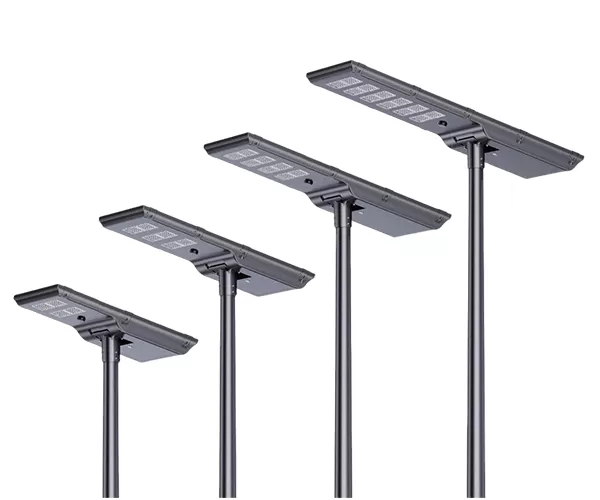
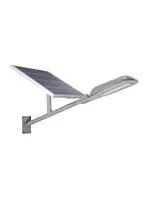
OWL All-in-one Solar Street Light
High waterproof rating: IP66
Available in 30W–100W
Adjustable solar panel angle

High-efficiency off-grid lighting for community roads, park roads, residential streets, parking areas and rural lighting projects—available in all-in-one, all-in-two and split configurations.
A well-designed 40W system is commonly suited to medium-duty outdoor lighting where pole height, road width, target lux, spacing and local solar conditions are properly matched.
Choose 40W when your project needs stronger output than small pathway lighting but does not require the larger lumen package usually used for wide municipal roads, highways or high poles. Final selection should be based on a lighting simulation—not wattage alone.
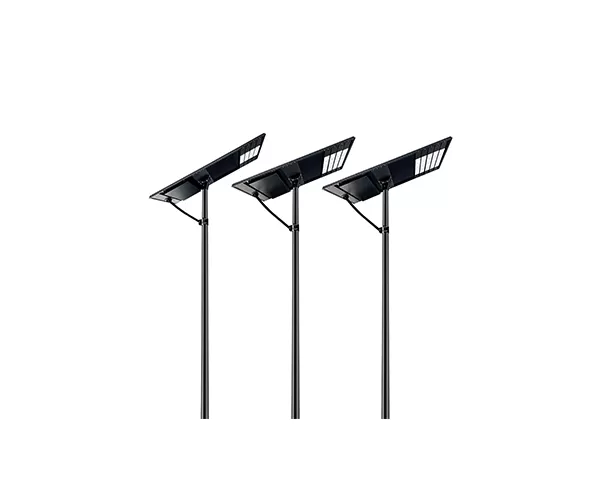
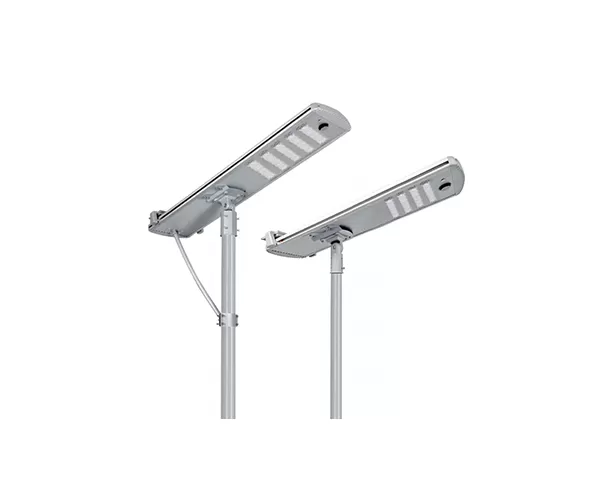
This wattage page works as a true collection hub: buyers can compare several 40W construction types before opening a detailed model page or requesting a project configuration.
High waterproof rating: IP66
Available in 30W–100W
Adjustable solar panel angle
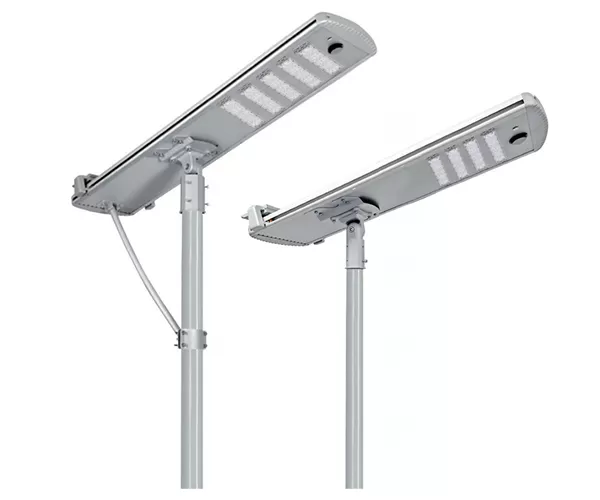
Self-cleaning system for solar panels
Reliable, high-performance LEDs
Suitable for city main roads
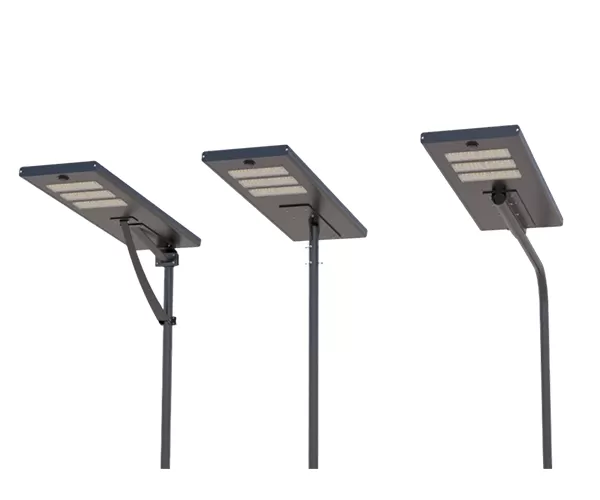
Multiple installation options
Reliable, high-performance LEDs
Suitable for rural roads
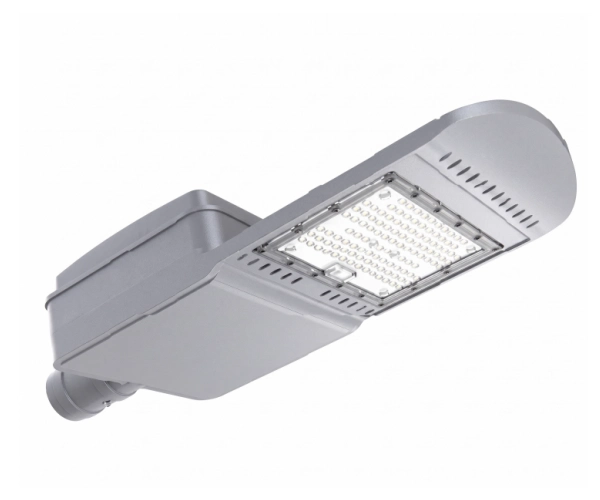
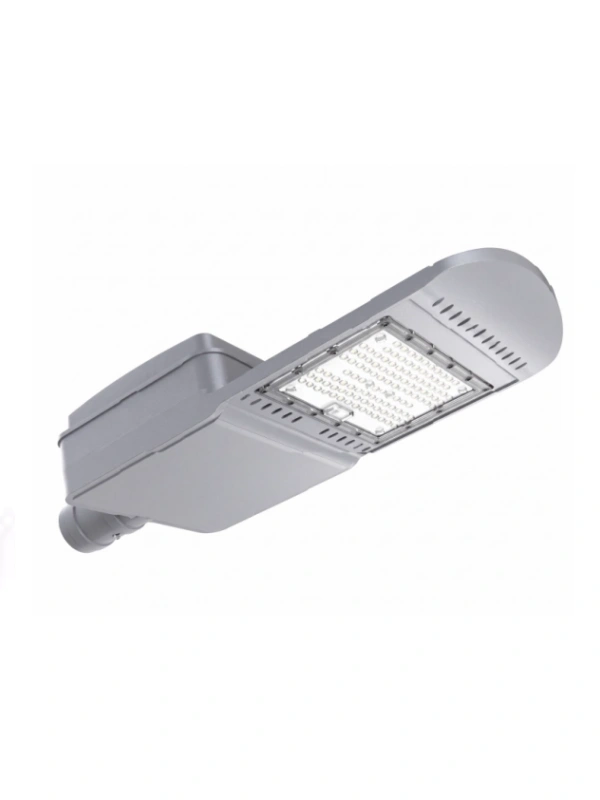
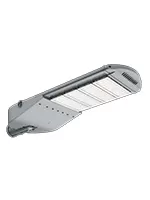
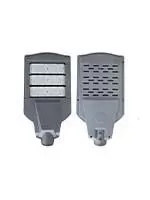
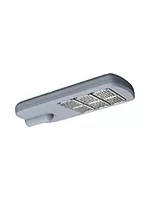
High Performance Parameters: Imported high efficiency chips, 60% energy saving than traditional street light; Patented Light Source design: Road surface uniformity over 0.7, uniform illuminance, no ...
View AURA details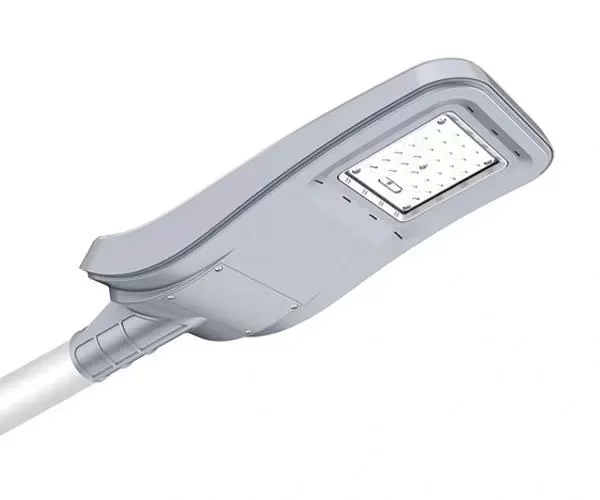
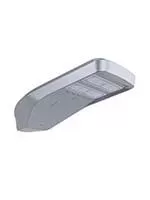
Modern & patented design
Modular & energy-efficient system
Uniform light distribution
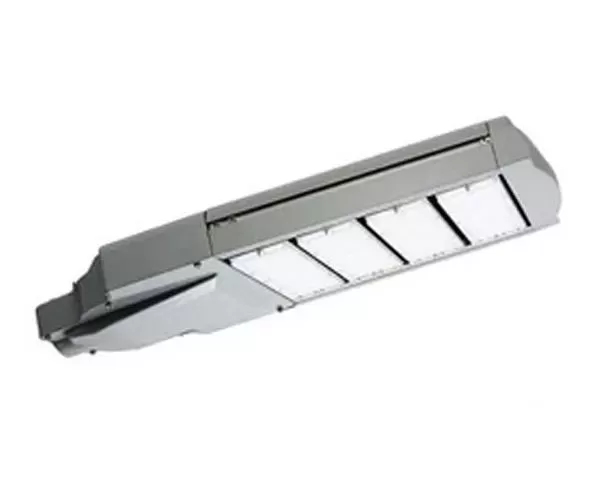
Flexible power compatibility
High-quality LED & optical performance
Durable heat dissipation design
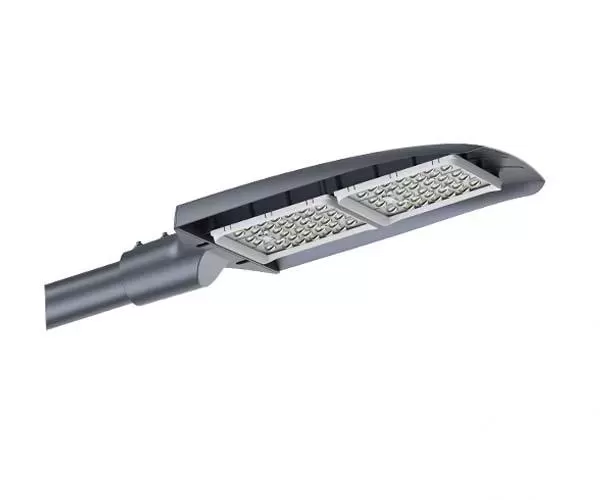
Patented & durable structural design
Modular & maintenance-friendly system
Efficient optics & wide applications
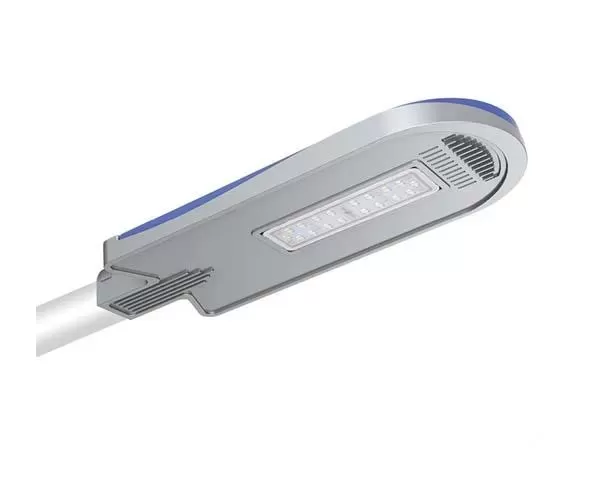
Patented & customizable appearance
Modular & energy-efficient structure
Advanced optical performance
We can compare panel size, battery capacity, control strategy, optics and pole height for your exact site.
Start project reviewChoose 40W when your project needs stronger output than small pathway lighting but does not require the larger lumen package usually used for wide municipal roads, highways or high poles. Final selection should be based on a lighting simulation—not wattage alone.
That is the theoretical LED-source lumen output for a high-efficiency 40W model. Road-level lux still depends on optical distribution, mounting height, spacing, tilt, road width and fixture depreciation.
Two 40W fixtures can produce very different lumen output when one is 130 lm/W and another is 170 lm/W.
Panel wattage, battery capacity, local peak-sun hours and dimming schedule must support the required nightly runtime and rainy-day autonomy.
Ingress protection, thermal design, battery chemistry, controller protections and corrosion resistance affect long-term project cost.
These scenarios align with the usual 40–60W project tier, but final design should always be checked against the actual road geometry, pole spacing and required lighting class.
Residential streets, local access roads and lower-speed community routes.
Small and medium parking zones, pedestrian visibility and perimeter lighting.
Internal roads, entrances, shared outdoor areas and pedestrian paths.
Off-grid or hard-to-wire roads where trenching and utility access are costly.
The table below uses the SOLO-A 40W configuration as a concrete reference. Other 40W models differ in housing, system voltage, battery, solar panel, IP rating and control options.
| Rated Power | 40W |
| System Voltage | DC 12V |
| LiFePO4 Battery | 12.8V / 42Ah (537.6Wh) |
| Solar Panel | Mono-crystalline 120W / 18V |
| LED Light Source | 3030 |
| Light Distribution | Bat-wing, approximately 150° × 75° |
| Luminous Efficacy | ≥130 lm/W |
| Color Temperature | 3000K / 4000K / 5000K / 5700K / 6000K / 6500K |
| Protection | IP65 / IK08 |
| Operating Temperature | 0°C to +60°C |
| LED Lifespan | >50,000 hours |
| Suggested Mounting Height | 5–6 m |
| Warranty | 3 years |
A conversion-focused landing page should show buyers what happens after they submit an inquiry, reducing uncertainty and improving lead quality.
Country, road width, pole height, spacing, target lux and operating hours.
Panel, battery, controller and dimming profile matched to local solar conditions.
Optics and layout reviewed for average lux, uniformity and glare considerations.
Confirm mechanical details, finish, packaging, branding and test requirements.
QC, export packaging, shipping documentation and after-sales support.
The original site positions Inbrit as a manufacturer supporting solar street lights, LED street lights, poles and high-mast systems, with project customization and technical support.
Use certification blocks as proof, but link each badge to a dedicated certificate page or downloadable document so buyers and AI systems can verify the claim.
Brightness depends on luminous efficacy and optical design. At 130–170 lm/W, a 40W luminaire can produce about 5,200–6,800 lumens at the LED source. Delivered road illuminance must be confirmed through a project lighting calculation.
A common project range is approximately 5–6 meters. Wider roads, larger spacing or higher lux targets may require different optics, a larger lumen package or a different fixture arrangement.
Yes, when the panel, battery and dimming schedule are sized for the local solar resource and required autonomy. The number of backup nights is project-dependent rather than determined by 40W alone.
All-in-one is easiest to deploy, all-in-two offers more flexible solar panel orientation, and split systems provide the greatest freedom for panel and battery sizing. The best choice depends on installation speed, shading, climate, maintenance strategy and project budget.
Provide the project country or coordinates, road width, pole height, pole spacing, required operating hours, target lux or lighting class, expected rainy-day autonomy, quantity and any tender or certification requirements.
Yes. Operating hours, staged dimming and control functions can be configured according to traffic patterns, energy balance and project requirements.
The table below uses the SOLO-A 40W configuration as a concrete reference. Other 40W models differ in housing, system voltage, battery, solar panel, IP rating and control options.


0086-19352672322