A hybrid solar street light combines solar energy with a secondary power source to maintain outdoor lighting when the battery cannot receive enough solar charge. Depending on the project, the backup source may be the AC grid or a small wind turbine.
This configuration is mainly used where lighting interruptions are unacceptable or where seasonal weather makes a standard standalone solar system less reliable. Typical projects include municipal roads, industrial parks, parking areas, campuses, transport facilities, and regions with long rainy seasons.
However, a hybrid system is not automatically the best choice for every road. Buyers should compare local solar resources, grid availability, wind conditions, operating hours, system cost, and maintenance requirements before selecting the final configuration.
What Is a Hybrid Solar Street Light?
A hybrid solar street light uses two energy sources instead of relying entirely on solar power. Solar energy normally remains the primary source, while the backup source supplies power when battery capacity falls below a preset level.
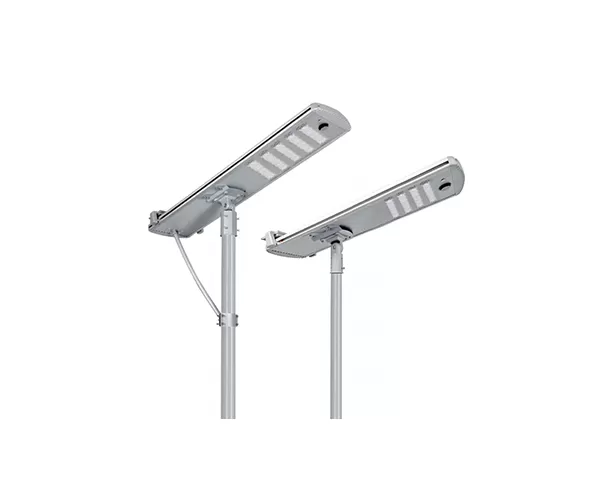
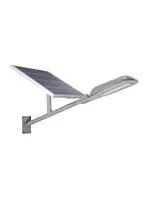
A typical hybrid street light includes:
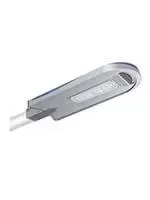
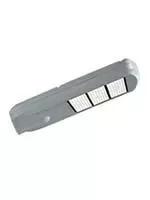
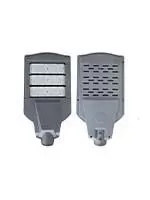
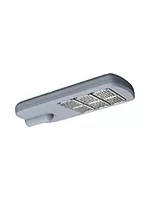
LED street light fixture
Solar panel
Lithium battery
MPPT or hybrid controller
Light pole and mounting brackets
AC grid input or wind turbine
Automatic switching and protection devices
The controller manages solar charging, battery discharge, lighting schedules, and backup-power switching. The system should be configured so that the secondary source operates only when required.
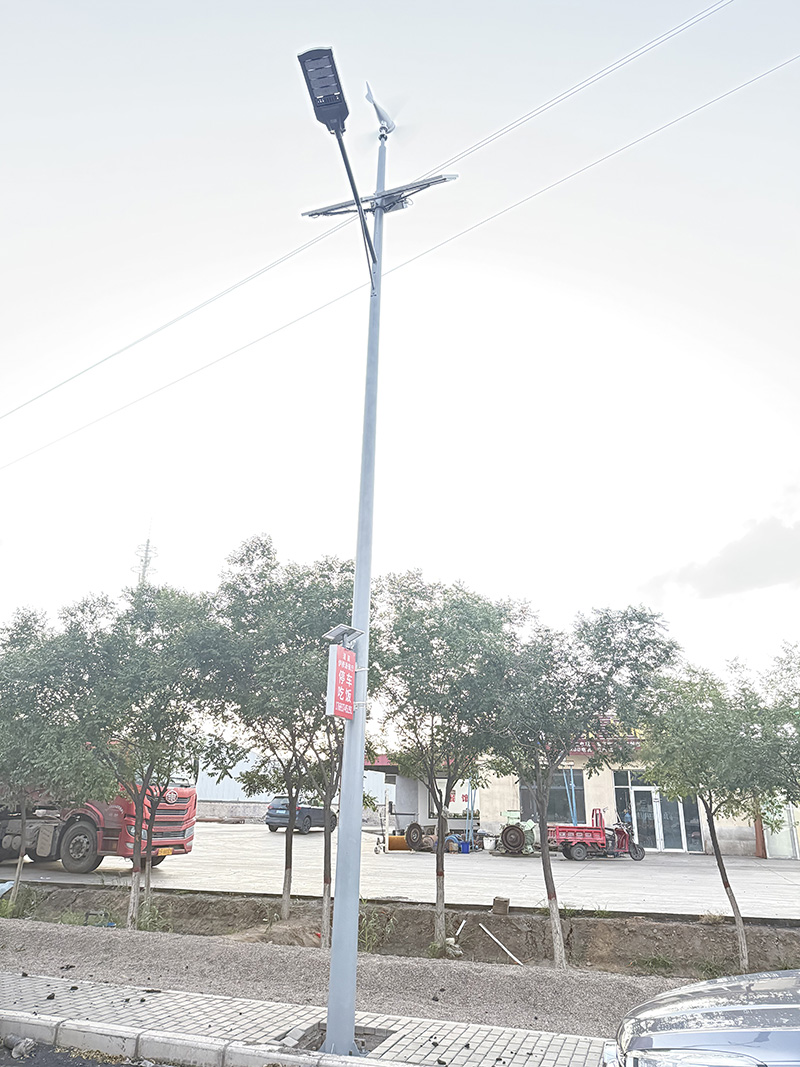
Main Hybrid Solar Street Light Configurations
Solar and AC Grid Hybrid System
A solar-AC hybrid system uses solar energy and battery storage during normal operation. When the stored energy reaches a preset minimum level, the controller switches to grid power to keep the light operating.
This structure is suitable for locations that already have access to the electrical grid but want to reduce electricity use and improve lighting continuity.
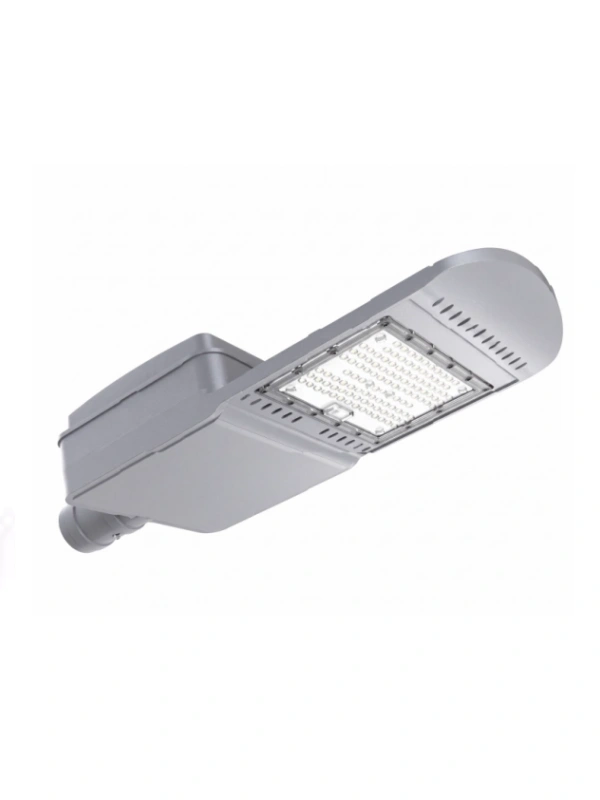
Because grid power remains available, some projects may also use an ac led street light as part of the broader road-lighting plan. Buyers should confirm whether the proposed hybrid solution requires a separate AC driver, additional cables, electrical protection, or modifications to the existing distribution network.
Solar and Wind Hybrid System
A wind-solar hybrid system combines photovoltaic panels, a wind turbine, battery storage, and an intelligent controller.
Solar panels generate power during sunny periods, while the turbine may provide additional energy when useful wind is available. Combining resources can reduce dependence on one weather condition, but only where the local wind resource is adequate.
NREL research into PV-wind-battery systems found that combining solar, wind, and battery technologies can produce smoother and more predictable energy generation. However, performance depends on the relationship between location, resource availability, and system configuration. Read the NREL hybrid renewable energy study.
A wind turbine should therefore not be added only for appearance. Buyers should evaluate average wind speed, turbulence, pole loading, noise, maintenance access, and local regulations.
How Does a Hybrid Solar Street Light Work?
During daytime operation, the solar panel converts sunlight into electricity. The controller directs this energy to the battery and manages the charging process.
At night, the battery powers the LED luminaire according to the programmed lighting mode. The controller continuously monitors battery voltage or state of charge.
When stored energy falls below a defined threshold, the system activates the secondary energy source. In an AC hybrid system, the grid supplies the light or charges the battery. In a wind-solar system, wind generation supplements solar charging whenever suitable wind is available.
Inbrit’s hybrid range includes project configurations from approximately 20W to 300W, with suggested installation heights from 6 to 16 metres depending on the selected model. Actual power, battery capacity, pole height, and backup design should be calculated for each project.
When Should Buyers Choose a Hybrid System?
A hybrid configuration may be appropriate when:
The project has long rainy or cloudy seasons
Winter sunlight hours are limited
Lighting must remain available every night
Grid power is available as backup
Solar and wind resources complement each other
The road serves critical public or industrial infrastructure
The buyer requires a more conservative autonomy design
A standard solar system may remain more economical where sunlight is stable, lower output is acceptable, or occasional power reduction can be managed through dimming.
For less demanding roads and areas with reliable solar exposure, all in one solar street light wholesale systems may provide a simpler solution with fewer external components and less installation work.
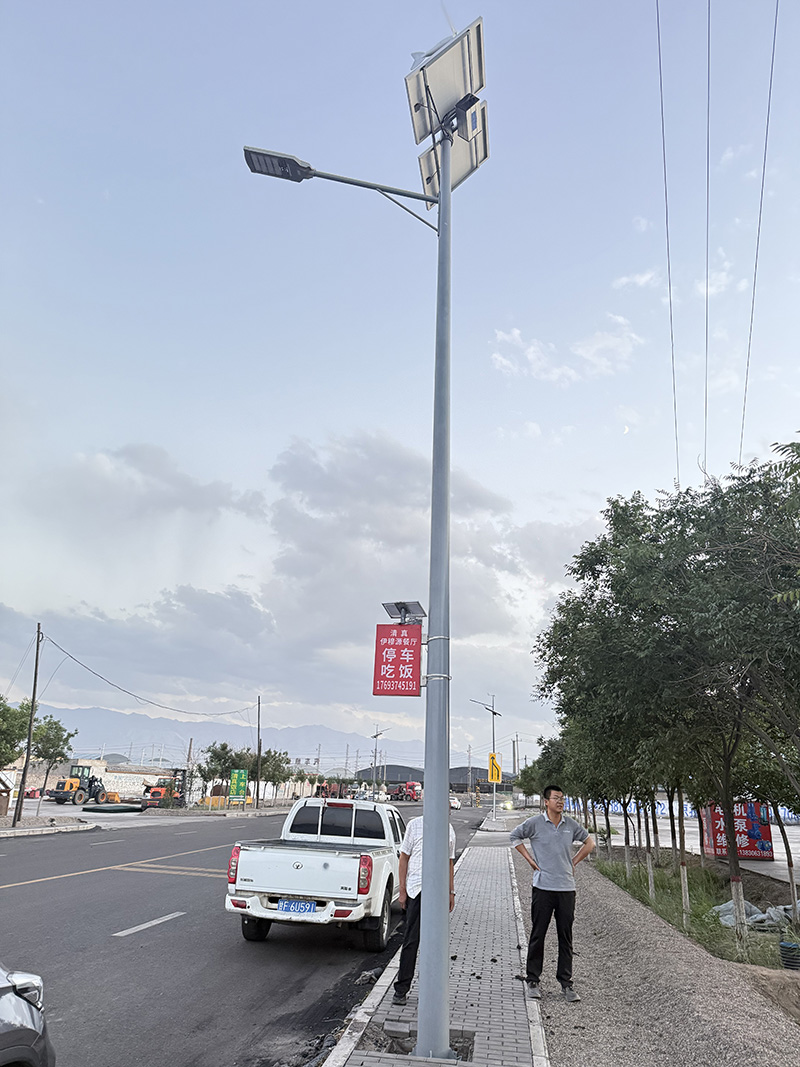
What Affects Hybrid Solar Street Light Price?
Hybrid systems generally cost more than standard solar street lights because they require additional controls, connections, structural components, or backup equipment.
Major cost factors include:
| Cost Factor | What Buyers Should Confirm |
|---|
| LED fixture | Wattage, lumens, optics, and IP rating |
| Solar panel | Type, wattage, and mounting structure |
| Battery | Chemistry, voltage, and usable capacity |
| Backup source | AC input or wind turbine specifications |
| Controller | MPPT, switching logic, and protection functions |
| Pole | Height, wall thickness, and wind-load design |
| Installation | Wiring, foundation, lifting, and commissioning |
| Documentation | Drawings, simulations, and test reports |
The quotation should clearly separate the standard lighting system from optional grid or wind components.
Hybrid Solar Street Light Procurement Checklist
Before requesting a quotation, provide:
Project country, city, or coordinates
Road width and required pole height
Lighting hours and dimming schedule
Required backup days
Local solar conditions
Grid availability and voltage
Wind-resource data, if applicable
Required LED power or illumination target
Project quantity
Certification and warranty requirements
Buyers should also request a system diagram showing how the solar panel, battery, LED luminaire, controller, and backup power source are connected.
FAQ
Is a Hybrid Solar Street Light Completely Off-Grid?
Not always. A solar-wind system may operate independently, while a solar-AC system remains connected to grid electricity for backup.
Does a Hybrid Street Light Work During Several Rainy Days?
It can maintain lighting longer than a solar-only system when the backup source is available. Actual performance depends on battery capacity, controller settings, lighting load, and backup design.
Is a Wind Turbine Necessary for Every Hybrid System?
No. Wind turbines are useful only where sufficient and consistent wind resources exist. Many hybrid street lights use AC grid backup instead.
Are Hybrid Solar Street Lights More Expensive?
They usually have a higher initial cost because of additional controllers, wiring, backup equipment, and structural requirements. Buyers should compare this cost with the value of uninterrupted lighting.
Conclusion
Hybrid solar street lights combine solar power with AC grid or wind backup to improve lighting continuity under difficult weather conditions. They are most suitable for critical roads, municipal projects, industrial areas, and locations where a solar-only design may not provide sufficient reliability.
A successful project requires accurate solar and wind assessment, correct battery sizing, suitable control logic, and a clear backup-power strategy. Buyers should provide complete site and operating information so that the manufacturer can prepare a technically comparable system configuration and quotation.

 English
 français
 Español
 العربية
 Pilipino
 ไทย
ไทย tiếng việt
 Malay
Malay русский