The debate over reliability versus sustainability is no stranger to urban planners, especially in the context of powering smart city infrastructure. While 100% solar solutions often lead the conversation, hybrid solar LED street lights are emerging as the superior choice for meeting the complex demands of modern cities. By combining the energy efficiency of solar power with the dependability of grid electricity, these dual-system solutions promise unprecedented 365-day uptime and smarter energy management.

The Core Challenge: Why 100% Solar Isn't Always Enough for Urban Hubs
Modern urban hubs are more than just streets and buildings—they are evolving living ecosystems powered by interconnected devices and systems such as 5G nodes, CCTV cameras, and integrated sensor technology. Here’s why a pure solar solution often falls short:
The "Zero-Uptime" Risk: Solar energy storage might be sufficient during summer months, but prolonged rainy seasons or high-latitude winters can significantly deplete battery reserves, compromising performance.
Continuous Smart City Operations: Smart city infrastructure demands uninterrupted power to support vital systems, including traffic management and public safety, 24/7.
This is where solar hybrid systems enter the picture, offering a more robust solution for cities that cannot afford power downtime.
What is a Dual-System (Hybrid) Solar LED Street Light?
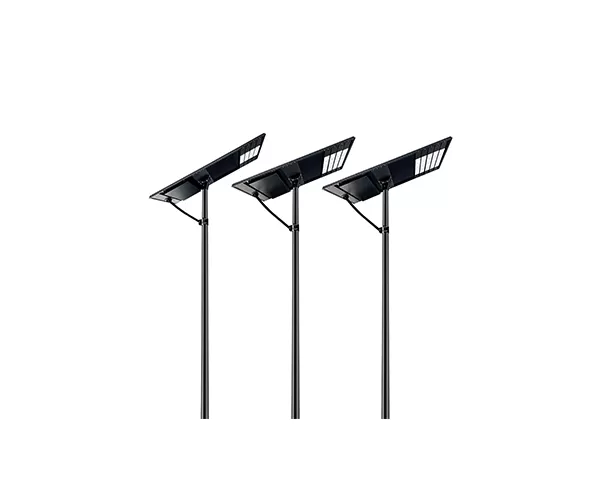
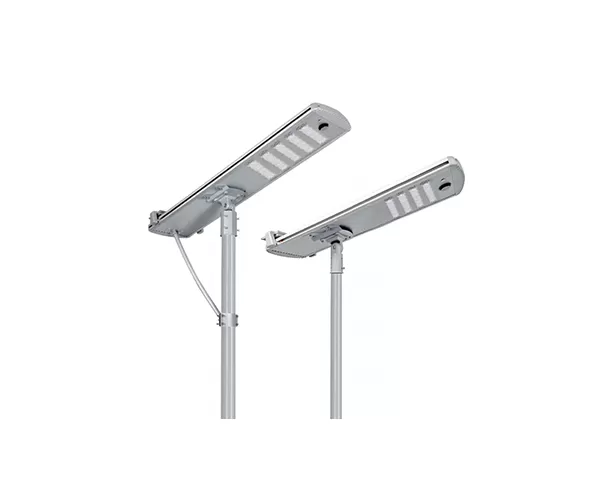
A hybrid street light seamlessly integrates two power sources—solar energy and the electrical grid. This “dual-system” approach ensures continuous lighting even during periods of reduced solar production.
How it Works: A Manufacturer’s Perspective
A hybrid solar LED street light works by incorporating photovoltaic (PV) panels, lithium batteries (such as LiFePO4), and an intelligent controller that determines whether to draw power from solar energy or the grid based on availability.
An MPPT controller manages the energy flow, prioritizing solar power while using the grid only as a backup.
During the day, excess solar energy is stored in the battery for nighttime use or as a failsafe during grid outages.
Inbrit’s proprietary switching controller undergoes rigorous testing to ensure stability during voltage spikes, enhancing system reliability.
Hybrid vs. Traditional Solar LED Street Lights: A Comparative Analysis
When evaluating solar lighting systems for urban projects, it is crucial to go beyond upfront cost and consider long-term performance. Project owners may also compare a hybrid solution with an ac led street light system when dependable grid power is already available. Here is how hybrid solutions compare with traditional solar options:
| Feature | Traditional 100% Solar | Hybrid Solar (Dual-System) |
|---|
| Reliability | Dependent on solar conditions, vulnerable in low sunlight. | 99.9% uptime, thanks to grid backup. |
| Infrastructure Costs | Requires large battery banks, increasing expenses. | Optimized battery capacity reduces overall costs. |
| Sustainability | 100% renewable but limits power availability. | Balanced approach reducing total carbon footprint. |
5 Reasons Why Dual-System Lights are the "Smart City" Standard
1. Infinite Scalability for IoT & 5G
As cities expand their IoT and 5G infrastructure, peripheral devices like cameras, sensors, and data nodes demand steady power availability, a task ideally suited for hybrid systems.
2. Intelligent Energy Management
Hybrid solar LED street lights come equipped with advanced Central Management Systems (CMS). These allow auto-dimming, real-time monitoring, and actionable insights for urban administrators.
3. Lower Maintenance Lifecycle
By using the grid as a secondary energy source, hybrid systems avoid the deep-discharge cycles that shorten battery lifespan, minimizing long-term maintenance costs.
4. Disaster Resilience
Hybrid systems ensure uninterrupted operation during natural disasters or grid failures by drawing from solar energy stored in high-efficiency lithium batteries.
5. Speed of Modernization
Hybrid solutions leverage existing grid lines while enhancing energy efficiency with solar power. This allows cities to modernize infrastructure at a faster pace without extensive overhauls.
Choosing the Right Solar LED Street Light Manufacturer for Industrial Projects
Picking the right solar LED street light manufacturer is crucial for the success of any urban infrastructure project. Buyers comparing hybrid systems with all in one solar street light wholesale solutions should evaluate not only product price, but also power configuration, control functions, installation conditions, and long-term maintenance requirements. Here is what to look for:
Engineering Expertise: Inbrit's custom circuit designs ensure seamless AC/DC transitions and efficient energy performance.
Industry Certifications: Only work with certified manufacturers (CE, RoHS, and ISO compliance) who meet stringent quality standards for smart city projects.
Commitment to ROI: Inbrit’s innovative hybrid solutions are designed with durability and long-term cost savings in mind.
Frequently Asked Questions
1. How do hybrid solar lights switch between grid and battery?
Hybrid solar LED street lights utilize sophisticated MPPT or PWM controllers to prioritize solar energy. When solar energy is insufficient, the system automatically switches to the grid to maintain uninterrupted power.
2. Is it more expensive to install hybrid street lights?
While upfront costs for hybrid street lights can be higher than standard solar models, the reduced need for large battery banks and enhanced reliability often deliver a better long-term ROI.
3. Can hybrid lights feed energy back into the grid (Net Metering)?
Yes, if the system is designed for net metering and incorporates an inverter, excess solar energy can be fed back into the grid, further improving sustainability benefits.
Conclusion: Bridging the Gap Between Green Energy and 24/7 Security
Hybrid solar LED street lights represent the ultimate solution for municipalities and smart city developers seeking to balance reliability with sustainability. By leveraging the strengths of both solar and grid power, these systems ensure permanent uptime, efficient energy use, and environmental responsibility. At Inbrit, we're committed to providing state-of-the-art hybrid solar LED lighting solutions designed to meet the evolving needs of modern infrastructure. Transition to hybrid today and illuminate your city for a brighter, smarter tomorrow!













 English
 français
 Español
 العربية
 Pilipino
 ไทย
ไทย tiếng việt
 Malay
Malay русский