Solar street lighting has come a long way, offering eco-friendly and cost-effective solutions for commercial, industrial, and residential needs. However, one critical challenge remains: how to select the right wattage for your specific application. Whether you're determining the best lighting for a residential pathway or a high-traffic highway, this comprehensive guide from Inbrit, a leading solar street lighting manufacturer, will help you move from confusion to confidence.
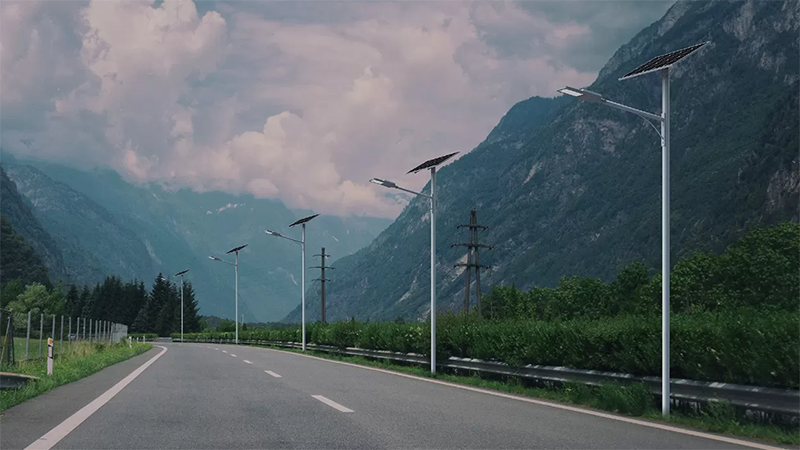
Why "Wattage" Isn't the Only Number That Matters
When choosing a solar street light, many people gravitate toward wattage as the key determining factor. However, wattage merely indicates the power consumption of the light, not its brightness, durability, or efficiency. To make a well-informed decision, it's crucial to understand the interplay of three critical elements: Wattage, Luminous Efficacy (Lumens per Watt), and System Design.
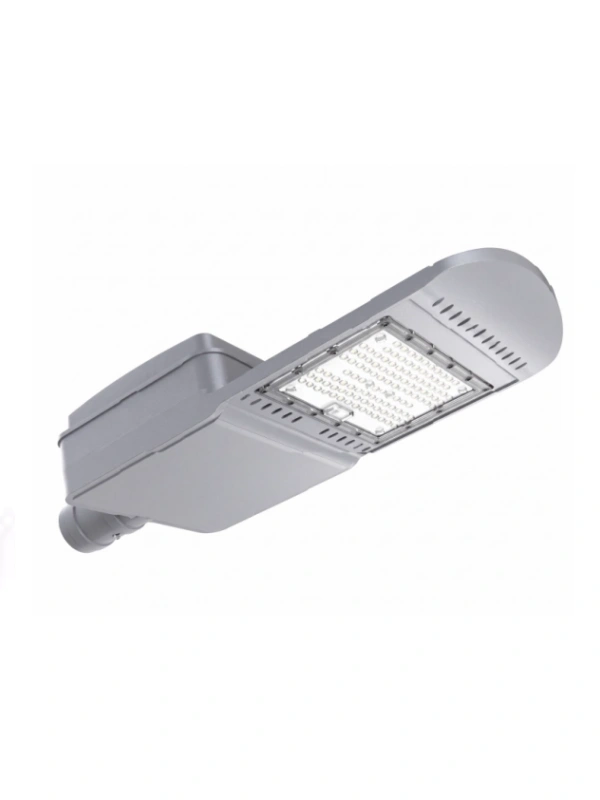
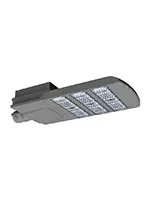
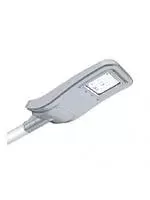
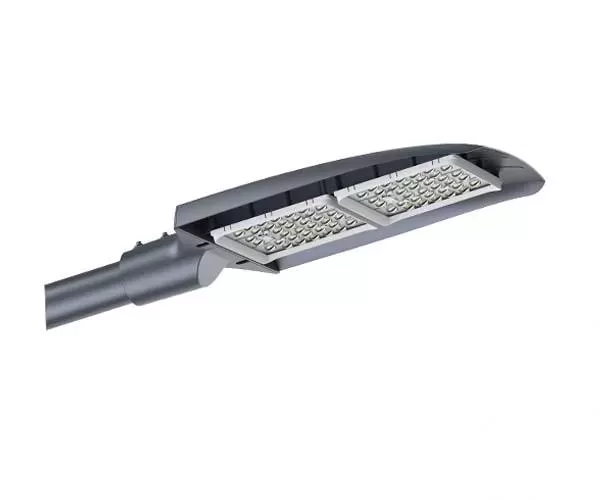
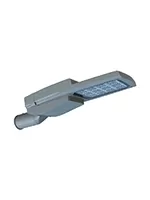
At Inbrit, we focus on delivering high-efficiency solar street lights with superior luminous efficacy. For example, a high-efficiency 60w led street light with advanced LED technology can outperform a standard 100W system because of its higher lumen output per watt. This means better brightness, reduced energy waste, and improved overall performance.
The Solar Street Light Wattage Matrix: 20W to 150W Breakdown
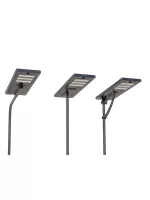
To simplify your decision-making process, we’ve divided solar street light wattages into three main categories based on application, pole height, and typical use cases:
20W – 40W: Pathway and Residential Security Lighting
Ideal Pole Height: 3–5 meters
Typical Applications: Parks, garden paths, backyard security
60W – 80W: Secondary Roads and Urban Streets
Ideal Pole Height: 6–8 meters
Typical Applications: Community roads, parking lots, and rural pathways
100W – 150W: High-Intensity Industrial and Highway Lighting
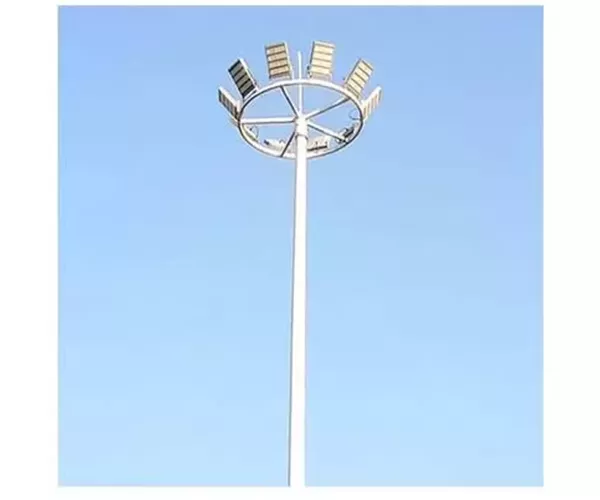
Ideal Pole Height: 10–12 meters
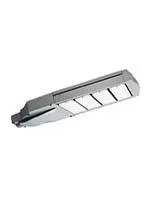
Typical Applications: Highways, large industrial zones, and logistics hubs, where an ac led street light can also be considered when stable grid power is available.
4 Critical Factors for Choosing the Right Solar Street Light Wattage
While understanding wattage is essential, it’s equally important to evaluate other technical factors that influence performance and efficiency:
1. Installation Height and Spacing
Light distribution follows the inverse square law, meaning the intensity decreases as the distance from the light increases. Higher poles require higher wattages to maintain adequate brightness on the ground. The height and spacing of each solar street light pole should therefore be evaluated together with fixture wattage, road width, and lighting distribution.
2. Local Sunlight Hours (Peak Sun Hours)
The same 100W solar street light will perform differently depending on location. Areas with fewer sunlight hours, such as Canada in winter, require larger solar panels and battery capacities to support the same wattage as a location like Dubai, which experiences more peak sun hours.
3. Desired Lux Levels (Lighting Standards)
Lux refers to the measured level of light on a surface. Professional projects often follow specific standards, such as the IESNA or EN standards, to ensure adequate lighting for safety and functionality. A correctly selected wattage will align with these lighting standards.
4. Autonomy Days
Autonomy is the number of days a solar street light can run without sunshine. For instance, a 100W light may require a battery designed for 3–5 rainy or cloudy days to ensure continuous operation.
Comparison Table: Wattage vs. Pole Height vs. Application
To further guide your selection process, refer to this quick comparison:
| Wattage | Lumens | Recommended Height | Application |
|---|
| 20W | 2400lm | 3–5 meters | Pathways, residential use |
| 60W | 7200lm | 6–8 meters | Community roads, parking lots |
| 100W | 12,000lm | 10–12 meters | Highways, industrial zones |
Why Choosing a Solar Street Lighting Manufacturer Like Inbrit Matters
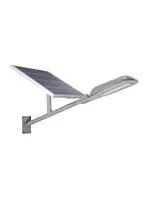
Unlike off-the-shelf retail products, a solar LED street light manufacturer like Inbrit provides tailored, industrial-grade solutions designed around specific project requirements. Buyers comparing customized systems with all in one solar street light wholesale options should evaluate the complete wattage, battery, solar panel, pole, and controller configuration rather than relying on fixture power alone. Here’s what sets us apart:
Direct-to-Project Customization: We design bespoke wattage, battery, and solar panel configurations to match your project’s location, application, and budget needs.
Industrial-Grade Components: Inbrit uses LiFePO4 batteries and high-efficiency mono-crystalline solar panels to ensure long-lasting performance.
Quality Assurance: All products meet ISO, CE, and RoHS certifications for unbeatable durability and safety.
FAQs
Does a higher wattage mean the light stays on longer?
Not necessarily. Battery capacity and the effectiveness of the controller (e.g., MPPT vs. PWM) play crucial roles in determining autonomy.
How do I calculate the wattage needed for a 4-lane highway?
Consult with professionals who can simulate your lighting needs using tools like DIALux. This ensures your project meets safety and functionality requirements without overestimating wattage.
Conclusion: Precision Matters in Large-Scale Projects
Choosing the right solar street light wattage is not just about guessing; it's a science that balances multiple factors, including wattage, lumens, battery size, and peak sun hours. For industrial and large-scale projects, working with an expert partner like Inbrit can save time, money, and energy while ensuring superior results.

 English
 français
 Español
 العربية
 Pilipino
 ไทย
ไทย tiếng việt
 Malay
Malay русский