Tropical and monsoon climates create some of the most challenging conditions for outdoor lighting. Heavy rain, high humidity, strong sunlight, dust, heat, and long cloudy periods can all affect solar street light performance. For many project buyers, one common question is whether a solar light 60W IP65 is strong enough for roads, parks, villages, parking lots, and public outdoor areas in these climates.
The answer depends on more than wattage. A 60W solar light can be suitable for many medium-duty outdoor applications, but its performance depends on LED efficiency, battery capacity, solar panel size, controller quality, installation height, lighting schedule, and local weather conditions. The IP65 rating is also important because it indicates protection against dust and water jets, which is necessary for rainy outdoor environments.
For tropical and monsoon regions, buyers should evaluate both lighting output and weather resistance. A product may be bright enough on normal nights but fail to perform well if the battery is too small or the waterproof design is poor. Therefore, the real question is not only whether an IP65 solar street light can work, but whether it is properly configured for the local environment.
What Does IP65 Mean for Solar Street Lighting?
IP65 is an ingress protection rating. The first digit indicates protection against solid particles such as dust, while the second digit indicates protection against water. For outdoor lighting, IP65 means the fixture is dust-tight and protected against water jets from different directions.
An IP65 street light is generally suitable for outdoor use because it can resist rain, dust, and normal weather exposure. In tropical and monsoon climates, this protection level is important because the fixture may face frequent rainfall and high humidity. Without proper sealing, water can enter the lamp body, damage the LED module, corrode internal parts, or cause electrical failure.
However, IP65 does not mean the light can be submerged in water. If the installation site is prone to flooding, standing water, or extreme storm conditions, additional protection and proper installation design may be needed.
Is 60W Enough for Outdoor Road Lighting?
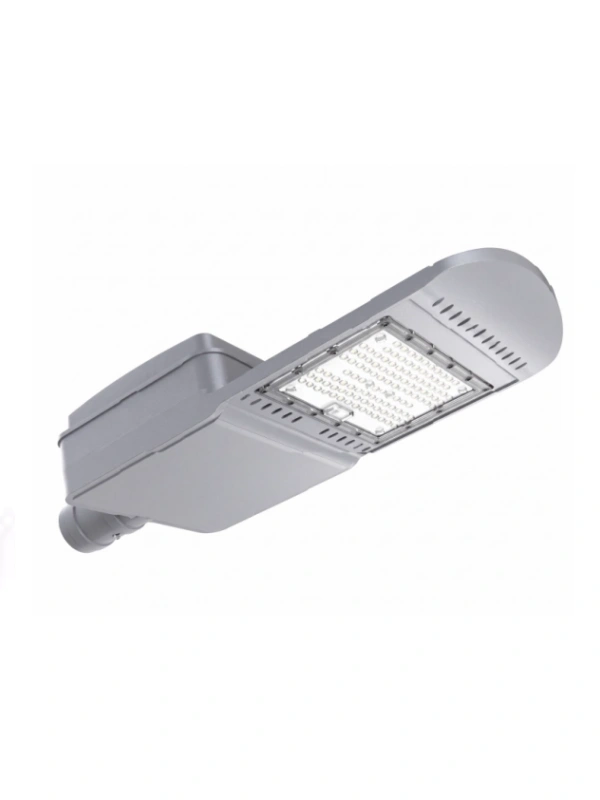
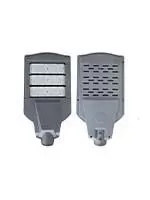
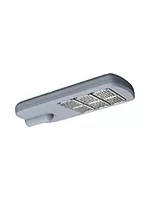
A solar light 60w ip65 can be suitable for many outdoor applications, especially medium-width roads, community streets, rural roads, garden roads, parking areas, and small public spaces. The actual brightness depends on the LED efficiency and optical design. A high-quality 60W LED fixture may perform better than a low-quality higher-wattage fixture.
For narrow roads and general area lighting, 60W is often a practical choice because it balances brightness and energy consumption. Compared with very high-wattage lights, a 60W system requires less battery capacity and solar charging area, making it easier to maintain stable operation during cloudy weather.
However, for highways, large intersections, wide industrial roads, ports, or high-security areas, 60W may not be enough. These projects may require higher wattage, taller poles, better optics, or more dense pole spacing.
Challenges in Tropical and Monsoon Climates
Tropical and monsoon regions have special environmental challenges. The most obvious problem is heavy rainfall, but moisture is not the only issue. Long rainy seasons may reduce solar charging time. High temperatures can affect battery life. Humidity may accelerate corrosion. Strong UV exposure can age plastic parts and coatings.
Heavy rain requires reliable waterproof sealing.
High humidity increases corrosion risk for metal parts and connectors.
Long cloudy periods reduce solar panel charging efficiency.
High temperature can shorten battery service life if heat dissipation is poor.
Strong UV exposure can damage low-quality materials over time.
Because of these challenges, an IP65 solar street light for tropical climates should use durable materials, stable battery technology, efficient solar panels, and a well-sealed lamp housing.
Battery Capacity Matters More Than Wattage Alone
Many buyers compare solar lights only by wattage, but battery capacity is just as important. A 60w led street light consumes a certain amount of energy every night. If the battery is too small, the light may not last through the required operating hours, especially after several rainy days.
For monsoon climates, the system should be designed with enough backup days. This means the battery must store enough energy to support lighting when solar charging is limited. A smart controller can also help by reducing brightness during low-traffic hours to save energy.
When evaluating a solar light 60W IP65, buyers should ask about battery capacity, battery type, charging time, backup days, dimming mode, and temperature protection. These details are often more important than the wattage number printed on the product. For distributors and contractors comparing all in one solar street light wholesale options for tropical or monsoon markets, these details are often more important than the wattage number printed on the product.
Solar Panel Sizing for Rainy Seasons
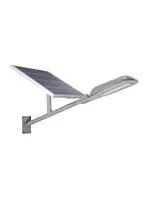
The solar panel must be large enough to recharge the battery under local sunlight conditions. In tropical regions, sunlight can be strong, but during monsoon seasons, cloudy skies can reduce charging performance. A larger or more efficient panel may be needed to maintain stable operation.
Panel angle and installation direction also affect charging efficiency. If the panel is shaded by trees, buildings, or dust, the battery may not charge fully. For outdoor projects, the installation site should be checked carefully to avoid shading during peak sunlight hours.
A well-designed IP65 street light system should match the solar panel, battery, and LED load. If any part is undersized, the whole system may underperform. For critical projects where grid power is available but monsoon conditions make solar charging less predictable, buyers may also compare an ac led street light before selecting the final lighting system.
Material and Structure Requirements
In rainy and humid regions, the external structure of the lamp is very important. Aluminum housing, corrosion-resistant brackets, stainless steel screws, sealed connectors, and UV-resistant materials can improve long-term reliability.
The lamp body should also have good heat dissipation. High temperature can reduce LED efficiency and shorten the life of electronic components. A durable housing design helps protect both the light source and internal driver.
For coastal tropical regions, salt spray resistance may also be necessary. In this case, buyers should ask whether the IP65 solar street light is suitable for coastal environments, not just general outdoor use.
Best Applications for a 60W IP65 Solar Light
A solar light 60W IP65 is usually suitable for medium-duty outdoor lighting projects. It can be a practical choice when the project needs reliable brightness without excessive power consumption.
Village roads and rural streets.
Community roads and residential areas.
Small parking lots and factory yards.
School campuses and public walkways.
Parks, gardens, and recreational areas.
Secondary roads in tropical or rainy regions.
For wider roads or high-speed traffic areas, project owners should consider lighting simulation and may need higher wattage or more professional optical design.
Conclusion
A solar light 60W IP65 can be sufficient for many tropical and monsoon climate applications, but only if the system is properly designed. The IP65 rating provides necessary protection against rain and dust, while the 60W output can support many medium-duty outdoor lighting needs. However, successful performance also depends on battery capacity, solar panel size, controller quality, material durability, and installation design.
For buyers in tropical and monsoon regions, choosing an IP65 solar street light should not be based on wattage alone. A reliable IP65 street light must balance waterproof protection, energy storage, charging efficiency, heat resistance, and corrosion resistance. When these factors are correctly matched, a solar light 60W IP65 can provide stable and cost-effective outdoor lighting in challenging climates.

 English
 français
 Español
 العربية
 Pilipino
 ไทย
ไทย tiếng việt
 Malay
Malay русский